
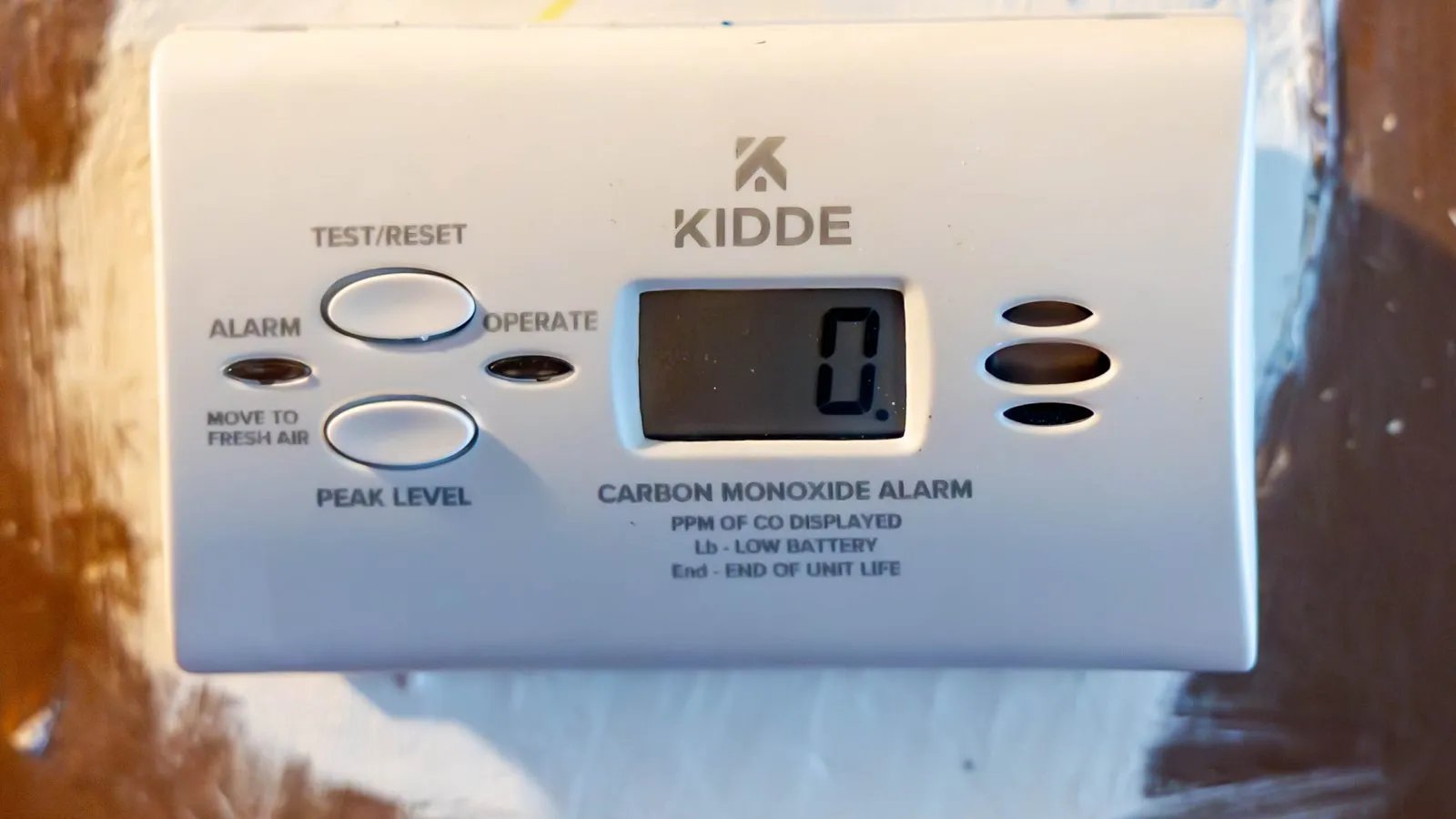
Carbon monoxide has no smell, no color, and no taste, so an alarm is the only way most people would know it was in the house. Washington has rules about who must have one and where it goes. The rules differ for a new build, an older home, a rental, and a house that is being sold.
Everything in this post comes from state law and the state building code, and each source is linked so you can read it yourself. If you are unsure how the rules apply to your home, an electrician can look at the house with you.
Carbon Monoxide Detector Requirements for Homes in Washington State
State law, RCW 19.27.530, directs the building code council to require carbon monoxide alarms in buildings classified as residential occupancies. New residential buildings had to have them by January 1, 2011, and other residential buildings by January 1, 2013.
The law carves out one group: an owner-occupied single-family home that was legally occupied before July 26, 2009. That exception has limits.
Where Washington's Code Puts the Alarms
The residential code section, WAC 51-51-0315, sets the locations for a dwelling unit:
- Outside each separate sleeping area, in the immediate vicinity of the bedrooms.
- On each level of the home.
- Inside a bedroom, if a fuel-burning appliance is in that bedroom or its attached bathroom.
Alarms are installed following the manufacturer's recommendations. In a two-story house with bedrooms upstairs, that usually means at least one on each floor, plus the hallway outside the bedrooms.
What Applies to Older Homes and Remodels
An existing home is held to the same standard when it has permitted alterations, repairs, or additions, or when a sleeping room is added or created. The code lists exceptions for work limited to exterior surfaces, such as roofing, siding, windows, and decks, and for work on plumbing, mechanical, or electrical systems that do not burn fuel.
The older owner-occupied home is exempt only while it stays in that category. Planning a remodel that adds a bedroom? Raise alarms with your contractor early. A remodel electrician can add the wiring while the walls are open.
Sellers, Landlords, and Tenants
When an owner-occupied single-family home is sold, RCW 19.27.530 says the seller must install alarms before the buyer or anyone else can legally occupy it. That applies to sales on or after July 26, 2009.
In a rental, the tenant is responsible for maintaining the alarm, including replacing batteries as the manufacturer directs. Landlords should confirm their own duties under RCW 19.27.530 and the state's landlord-tenant law.
Hardwired, Plug-In, or Battery Alarms
The Consumer Product Safety Commission recommends alarms on every level and outside sleeping areas, with battery operation or battery backup in case the power goes out. It says interconnected alarms are best, because when one sounds they all sound.
That is the case for hardwired alarms with battery backup, which also stay powered through an outage. The CPSC also says to test alarms monthly and to replace batteries at least once a year, or choose alarms with sealed 10-year batteries.
Newman Electric installs and replaces hardwired carbon monoxide and smoke alarms, and the smoke detector installation service covers both. If your smoke alarms are old, read when to replace hardwired smoke alarms before you shop.
What to Do When a Carbon Monoxide Alarm Sounds
Treat it as real. The CPSC says to get outside to fresh air right away and call 911. Symptoms to watch for include headache, dizziness, weakness, nausea, vomiting, sleepiness, and confusion.
Do not go back in to silence the alarm or look for the source. Wait for the fire department to clear the house. After that, a licensed electrician can replace a failed alarm, and the source of the gas needs a qualified technician for the appliance involved.